
Dilmun: The Ancient Capital of Trade and Civilization
For over 4,000 years, Qal'at al-Bahrain served as the capital of Dilmun—a civilization that shaped the ancient world. Nestled at the crossroads of Mesopotamia, the Indus Valley, and Arabia, Dilmun became the world's first great trading hub, connecting distant empires and cultures through commerce, ideas, and exchange.
The site's 17.5-hectare artificial tell mound—built layer upon layer over millennia—preserves the physical story of continuous human settlement. Each stratum reveals residential quarters, administrative centers, fortifications, and marketplaces where merchants from across the ancient world conducted business and built lives.
What makes Qal'at al-Bahrain globally significant is not just what was built here, but that it endured. This is a place where history never stopped—where civilizations rose, traded, declined, and gave way to others, yet people kept returning. That unbroken thread of human occupation is what UNESCO recognized when it designated this site a World Heritage treasure in 2005.
UNESCO World Heritage Recognition
In 2005, Qal'at al-Bahrain earned UNESCO World Heritage Site status—a prestigious designation recognizing its exceptional universal value and archaeological significance to humanity. This honor reflects the site's extraordinary 4,000+ years of continuous occupation and its role as the ancient capital of Dilmun.
Designation & Criteria
Qal'at al-Bahrain received UNESCO World Heritage designation in 2005 based on its outstanding archaeological and historical criteria. The site represents an exceptional testimony to the continuous human settlement spanning millennia, with multiple occupation layers revealing the evolution of civilization, governance, and trade across distinct historical periods.
The designation recognizes the site's ability to illustrate the development of human societies in the Arabian Gulf region and its significance as the capital of the ancient Dilmun civilization—a crucial trading hub connecting Mesopotamia, the Indus Valley, and Arabia.
The 17.5-Hectare Tell Mound
At the heart of Qal'at al-Bahrain lies an artificial tell mound—one of the world's largest—built over 4,000 years of continuous human occupation. This massive mound is not a natural formation but a testament to centuries of settlement, with each layer representing a distinct period of habitation, architectural development, and cultural change.
The tell's archaeological importance lies in its ability to reveal how communities adapted, rebuilt, and evolved across millennia. These stratified layers provide an unparalleled record of ancient life, from residential structures and domestic pottery to administrative seals and trade goods.
4,000+ Years of Continuous Settlement
What distinguishes Qal'at al-Bahrain from many archaeological sites is the unbroken continuity of human habitation across four millennia. Unlike sites that experience gaps or periods of abandonment, Qal'at al-Bahrain reveals layers of successive occupations—each building upon or transforming the previous settlement.
This continuous settlement history provides an invaluable window into how civilizations adapt to environmental, economic, and political changes. The archaeological record shows transitions between the Dilmun capital period, later occupations, and periods of transformation, each leaving its own material culture—pottery styles, architectural techniques, trade goods, and religious practices.
The tell's stratified layers act as a written history in stone and ceramic. By excavating downward, archaeologists read the site like a book, each chapter revealing insights into daily life, governance, commerce, and cultural connections across the ancient world. This archaeological depth is precisely why UNESCO recognized Qal'at al-Bahrain as a site of outstanding universal value.
Global Significance
UNESCO designation confirms Qal'at al-Bahrain's importance to world heritage and humanity's shared history. It positions the site among the planet's most significant archaeological treasures.
Protection & Preservation
UNESCO status brings international recognition and support for preserving the site for future generations. It commits Bahrain to maintaining the site's archaeological integrity and preventing damage or looting.
Research & Learning
The designation attracts scholars, archaeologists, and researchers worldwide, fostering ongoing study and discovery. It ensures the site remains a living laboratory for understanding ancient civilizations.
Why This Matters: Qal'at al-Bahrain's UNESCO recognition establishes it as Bahrain's flagship archaeological site and differentiates it from other heritage attractions. The site museum houses over 500 artifacts spanning 4,000 years—pottery, seals, tools, architectural fragments, and trade goods—each artifact a direct link to the people who lived, worked, and traded here. When you visit, you're not just seeing a historical site; you're standing on the preserved remains of an ancient capital that shaped regional civilization and global trade networks.
Ready to explore this UNESCO World Heritage Site in person?
Excavations & Discoveries
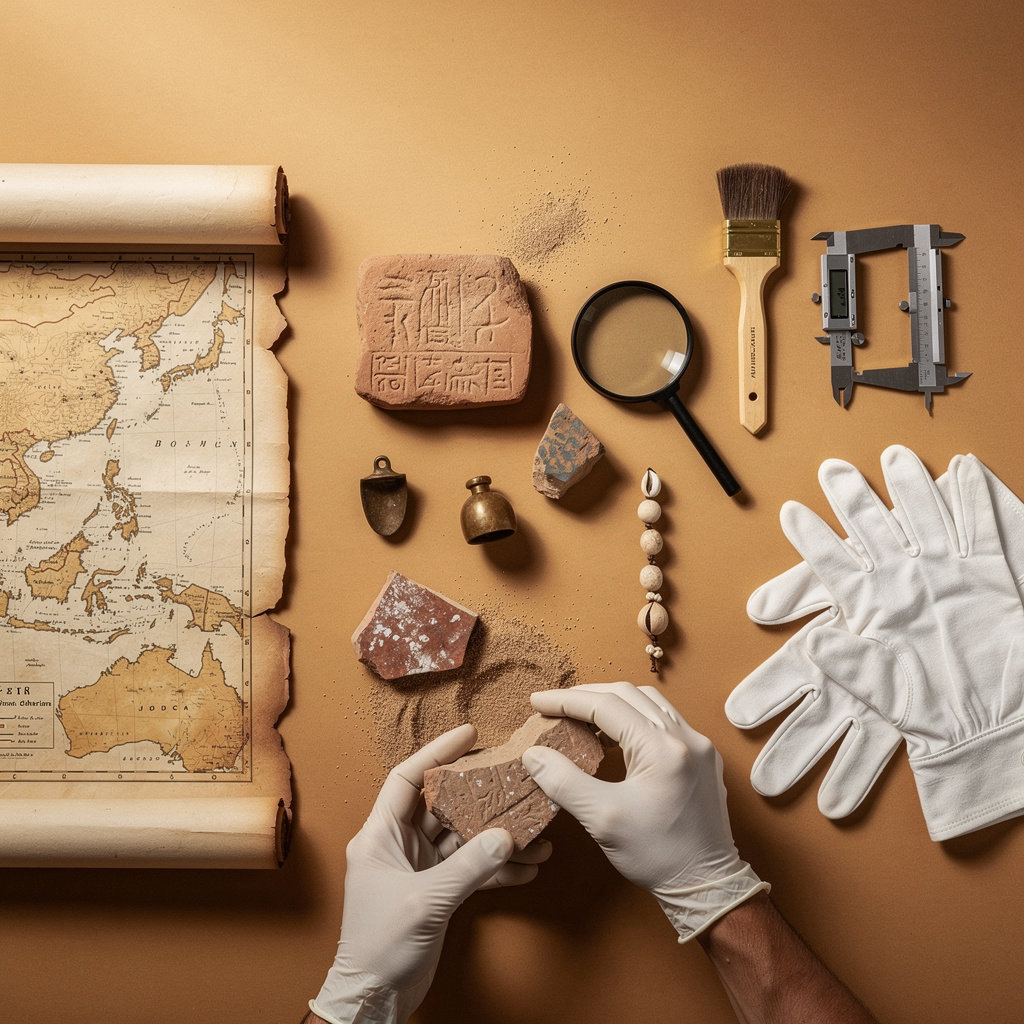
Over decades of careful archaeological work, excavations at Qal'at al-Bahrain have revealed layers of human civilization spanning more than 4,000 years. Each artifact and structure tells a story of daily life, trade, governance, and cultural change in the ancient capital of Dilmun.
What We've Uncovered
Residential Structures
Foundations, walls, and domestic spaces reveal how families lived, worked, and organized their homes across different periods. Pottery, cooking vessels, and household tools paint a picture of daily routines.
Public Buildings
Civic infrastructure, administrative centers, and communal spaces demonstrate how Dilmun's capital was organized and governed. Architectural remains reveal the site's importance as a political and social hub.
Commercial Structures
Storage facilities, workshops, and trading posts showcase Dilmun's role as a major commerce hub. Imported goods and trade evidence reveal connections to Mesopotamia, the Indus Valley, and Arabia.
Military Fortifications
Defensive walls, gates, and fortified structures illustrate how the ancient capital protected its strategic harbor and wealth. Archaeological remains show layers of reinforcement across centuries.
The Artifact Collection: 500+ Stories
Pottery & Ceramics
Fragments and intact vessels reveal daily cooking, storage, and dining practices. Styles and decorations show cultural influences and trade connections across centuries.
Seals & Administrative Evidence
Carved seals used for marking goods and documents demonstrate governance, record-keeping, and trade regulation. They reveal the administrative sophistication of Dilmun's leadership.
Tools & Craftsmanship
Stone, bronze, and metal tools show the skills of ancient artisans and laborers. Fishing weights, grinding stones, and specialized implements reveal economic activities and daily trades.
Trade Goods & Imports
Objects from Mesopotamia, the Indus Valley, and beyond prove Dilmun's role as a crucial trading hub. Lapis lazuli, carnelian, and exotic materials traveled through this ancient harbor.
Religious & Ceremonial Objects
Figurines, votive objects, and ritual items illuminate the spiritual beliefs and practices of Dilmun's people. Temples and shrines found on-site held cultural and religious significance.
Food Remains & Subsistence
Preserved seeds, animal bones, and fish remains reveal what people ate and how they sustained themselves. These finds show adaptation to coastal and desert environments over millennia.
Preservation & Ongoing Research
Qal'at al-Bahrain remains an active archaeological site. Conservation experts continue to preserve artifacts and structures, while researchers study new findings to deepen our understanding of Dilmun's civilization. The five exhibition halls in the site museum showcase carefully curated selections from the 500+ artifact collection, allowing visitors to engage directly with the material evidence of 4,000 years of continuous settlement.
Every artifact on display—from a simple pottery shard to an intricately carved seal—represents a connection to the people who lived, worked, traded, and governed in this ancient harbor city. Walking through the museum and exploring the 17.5-hectare tell mound, you're not just viewing objects; you're stepping into the layers of history that shaped the ancient world.
Ready to see these discoveries in person? Visit the museum's five exhibition halls and explore the archaeological site where centuries of human civilization await.
Ready to Explore Qal'at al-Bahrain?
Everything you need to plan your visit to this UNESCO World Heritage Site and ancient capital of Dilmun.
Hours of Operation
Fort
Daily, 8:00am – 8:00pm
Museum
8:00am – 8:00pm
(Closed Mondays)
Location
Karbabad, Bahrain
Located in Karbabad, easily accessible from Manama and surrounding areas. See our Visit Information page for detailed directions and parking details.
What to Know Before You Visit
Audio Guides Available
Explore at your own pace with our self-guided audio experience
Guided Tours
Professional guides available for deeper historical insight
Seaside Café
Relax with refreshments overlooking the Arabian Gulf
Museum & Exhibitions
Explore 500+ artifacts across five exhibition halls
For parking, accessibility, and detailed directions, visit our Visit Information page